A dripping tap is the plumbing job people put up with the longest. It starts as a tick you only hear at night, then it stains the sink, and a steady drip wastes something like 5,500 litres of water a year. If you are on a water meter, that drip is money going down the plughole. The good news: most dripping taps have one of two causes, and both are fixable. This guide covers how to do it yourself, and where the DIY route tends to go wrong.
First: Which Kind of Tap Do You Have?
This decides the whole fix, so check it before buying any parts.
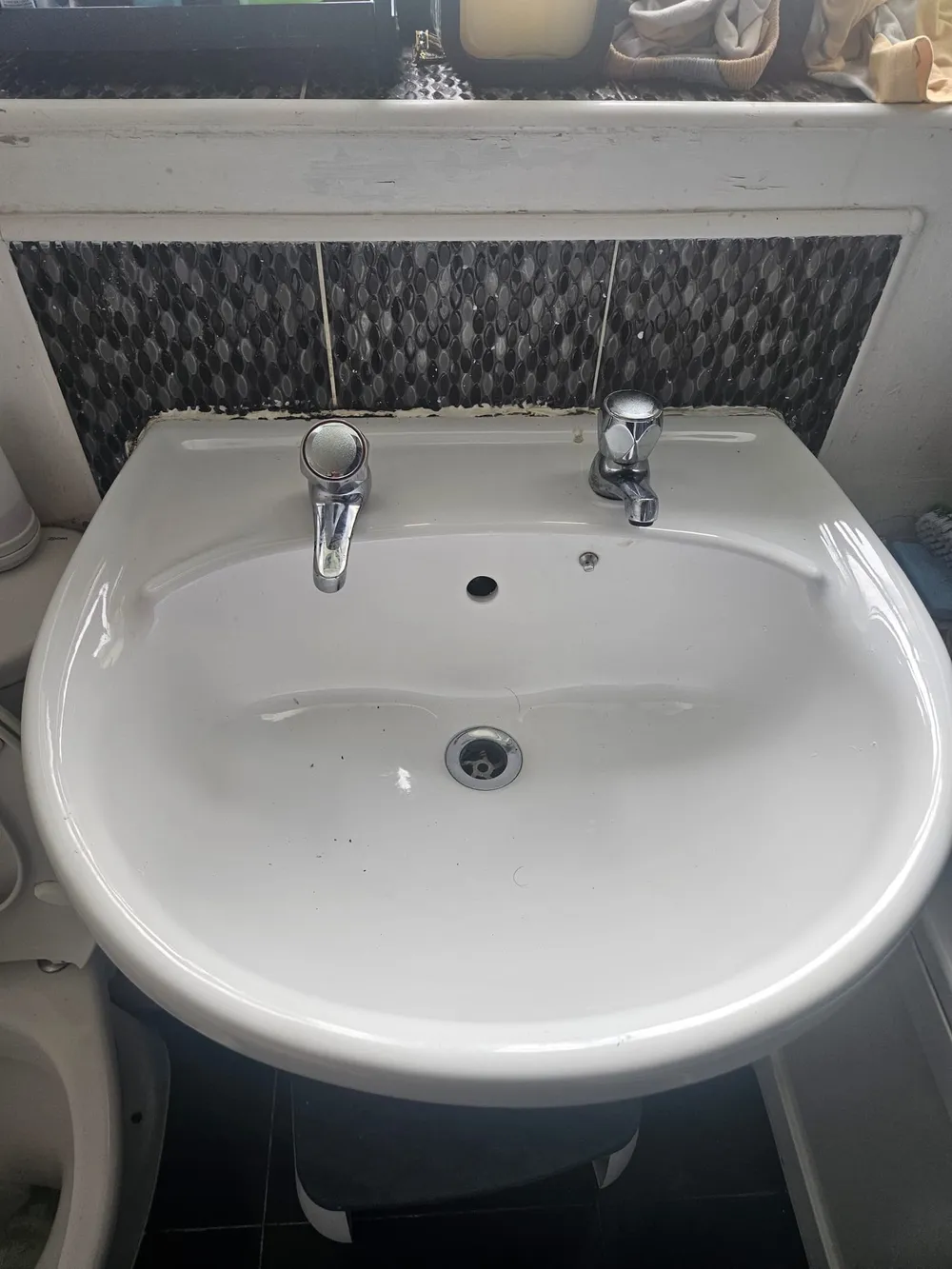
Turn the tap handle. If it spins half a turn or more before the water comes on, it is a traditional compression tap with a rubber washer inside. If it only moves a quarter turn with a firm stop at each end, it is a ceramic disc tap with a cartridge. Washers cost pennies. Cartridges cost anywhere from a few pounds to twenty-odd, and the two are not interchangeable.
How to Fix a Dripping Tap Yourself
Before you touch anything
- Isolate the water. Look under the sink for a small valve on the supply pipe with a screwdriver slot. Give it a quarter turn. If there is no valve, or it spins without doing anything, turn off the main stopcock instead.
- Open the tap fully to drain what is left in the pipe.
- Put the plug in. Every plumber has a story about a grub screw going down an open waste. Do not become one of them.
Replacing a washer (compression taps)
- Prise off the hot or cold cap on top of the handle and undo the screw underneath.
- Remove the handle and cover to expose the brass valve, then undo it with a spanner. Hold the tap body steady with your other hand so you do not twist the whole tap and stress the pipework below.
- The washer sits on the bottom of the valve, held by a small nut. Swap it for a matching size, usually half inch for basin taps and three quarter for bath taps.
- Reassemble, restore the water, and run the tap before judging it. A new washer can weep for a minute while it beds in.
Replacing a cartridge (quarter-turn taps)
Same start: cap off, screw out, handle off. The cartridge is the plastic and ceramic unit inside the body. Undo the retaining nut, lift it out, and take it to the merchant to match, because there are dozens of sizes and the wrong one will not seal. Fit the new one, reassemble, done.
When the Fix Does Not Work
Two common reasons a repaired tap keeps dripping:
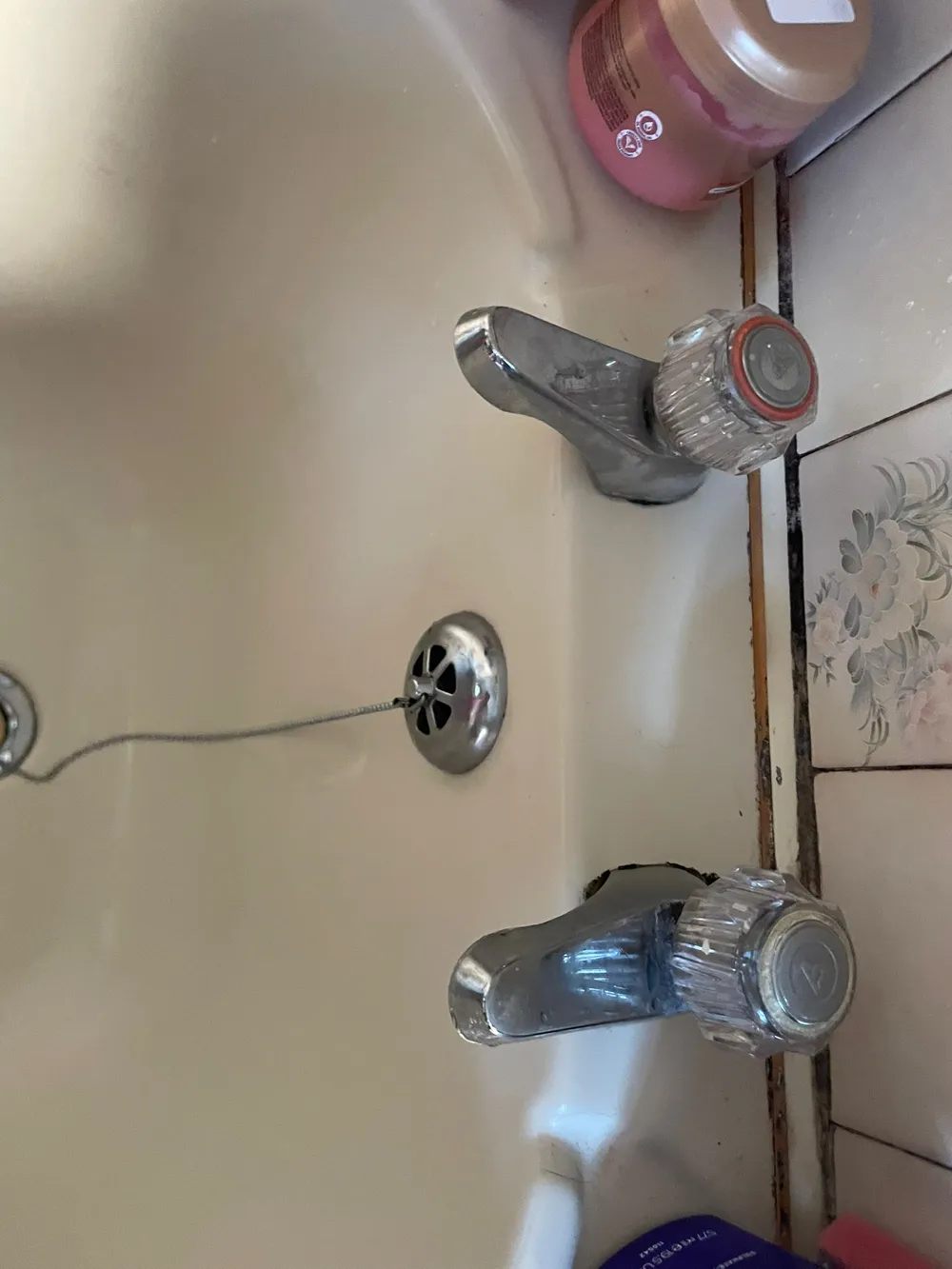
The seat is worn. The washer presses against a brass ring inside the tap body called the seat. Decades of use and hard water scale cut grooves into it, and a new washer cannot seal against a damaged seat. There is a tool that regrinds the seat flat, but by that point the tap is usually near the end of its life anyway.
The tap is not worth the parts. Budget taps often have sealed cartridges you cannot buy separately. We see this constantly in Coventry rentals: the fix costs more in hunting for parts than a new tap costs fitted.
What We Charge to Fix It For You
No mystery pricing. A full tap replacement is £100 supplied and fitted. Got several drippers? We change up to three taps for £90 in one visit when you supply the taps. Repairs to salvageable taps are priced fixed before we start, and there is no call-out fee. Most tap jobs are done within the hour.
Dripping Tap Repair in Coventry & Nuneaton
First Call Home Services repairs and replaces taps across Coventry, Nuneaton, Bedworth and surrounding Warwickshire. Gas Safe registered, rated 4.8 from 396 Google reviews. If you would rather spend your Saturday doing anything other than fighting a seized back nut, we will take it off your hands. Thinking bigger than a repair? See our guide to new sinks and taps.
Preventing Future Drips
Turning taps off gently rather than forcing them shut reduces wear on internal washers and cartridges over time, and can meaningfully extend how long a tap lasts before it starts leaking.
In hard water areas, periodically cleaning limescale from tap heads and aerators helps prevent the mineral build-up that accelerates wear on internal seals and moving parts.
Kitchen vs Bathroom Taps
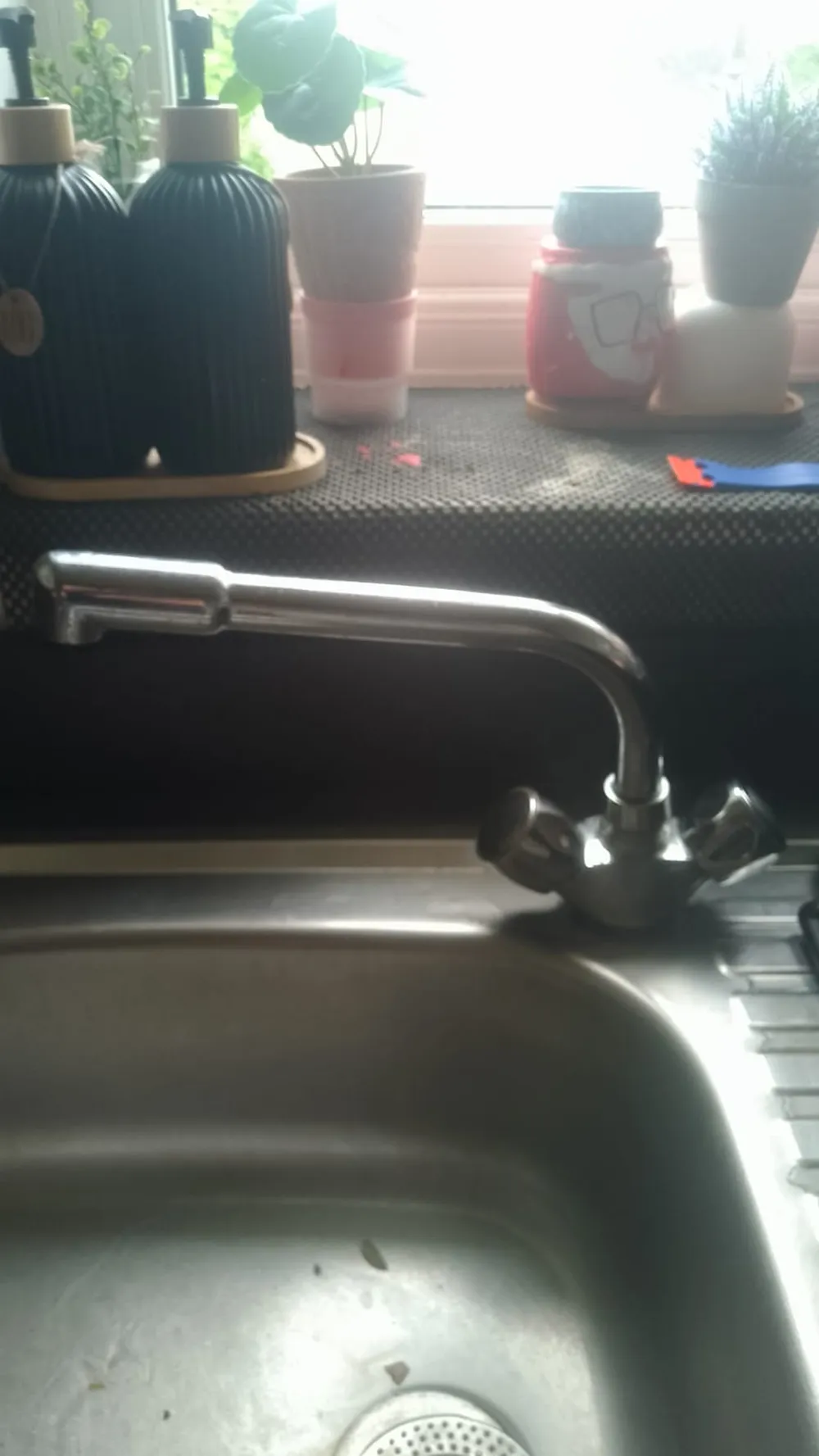
Kitchen mixer taps tend to wear faster than bathroom taps simply because they're used more often and subjected to more temperature changes throughout the day, so it's not unusual for kitchen taps to need attention first.
Both types use similar internal mechanisms, so the repair approach - and whether repair or replacement makes more sense - is largely the same regardless of which room the tap is in.
Tools You'll Need for a DIY Fix
An adjustable spanner, a screwdriver, and a replacement washer or cartridge matching your tap's make are the basics for most DIY tap repairs. It's worth taking a photo of the tap and, where possible, the old part to the shop to make sure you get the right replacement.
Always isolate the water supply before starting, and keep a cloth handy - even an isolated tap can hold a small amount of residual water in the pipework.
When a Simple Fix Isn't Enough
If you've replaced the washer or cartridge and the tap still drips, the issue is likely a damaged valve seat, which usually needs a professional repair rather than another DIY attempt.
Persistent leaks around the base of the tap, rather than from the spout, often point to a different fault entirely and are worth having properly diagnosed rather than guessing at further repairs.
Ball Valve Taps Explained
Older mixer taps sometimes use a ball valve mechanism rather than washers or cartridges - identifiable by a single lever controlling both temperature and flow through an internal rotating ball. These can be trickier to repair without the right kit, and parts for older ball valve taps aren't always easy to source.
If you have this type of tap and it's leaking, it's often more practical to replace it with a modern cartridge-based mixer than to hunt down specific ball valve repair parts that may no longer be manufactured.
Garden Taps and Outdoor Fixtures
Outdoor taps face additional wear from exposure to the elements and are particularly vulnerable to freezing in winter if not properly isolated or insulated, which can cause them to leak or fail completely once temperatures rise again in spring.
If your outdoor tap develops a leak, it's worth checking whether it has its own isolation valve so you can shut it off independently over winter in future, reducing the risk of frost damage to both the tap and any exposed pipework leading to it.
Quick Questions
Why does my tap only drip when it's off? This is the classic symptom of a worn washer or cartridge failing to seal fully - the exact fix depends on which type your tap uses.
Can hard water cause a tap to leak? Yes, limescale build-up on internal seals is one of the most common causes of leaks in hard water areas like Coventry and Nuneaton.
A dripping tap might seem like a minor annoyance, but left unaddressed it wastes water, drives up your bills, and can leave lasting marks on your sink or bath. Whether it's a quick DIY fix or something better left to a professional, sorting it sooner rather than later is always the more cost-effective choice.
Not confident tackling it yourself, or already tried and it's still dripping? Give us a call and we'll have it sorted properly, usually within the hour.
Related guides
Need a hand instead? See Leaking Tap Replacement and Bathroom Installation.
Dripping Tap Driving You Mad?
Fixed £100 tap replacement, supplied and fitted. Call 02476 950 595. No call-out fee.
Tap Repair Service →